
Future Doctor
Medicine & Life Sciences
Career Exploration: Future Doctor
See what the world of medicine really looks like — from operating theatres to breakthrough discoveries.
The Career Exploration: Future Doctor experience gives scholars a first-hand look at how modern healthcare and medical research really work. Through hands-on workshops, clinical simulations, and visits to world-renowned medical institutions, they explore everything from the human body to life-changing scientific breakthroughs.
Along the way, scholars begin to understand what a future in medicine, surgery, or biomedical science could look like for them.
Why Explore Medicine in Oxford?
Oxford and London sit at the heart of some of the world’s most important medical discoveries, hospitals, and research institutions. From historic museums of anatomy to cutting-edge clinical training environments, scholars experience how science, patient care, and innovation come together in real life.
For students considering medicine, surgery, or the life sciences, this is a rare chance to see the profession beyond the textbook — in the places where breakthroughs actually happen.
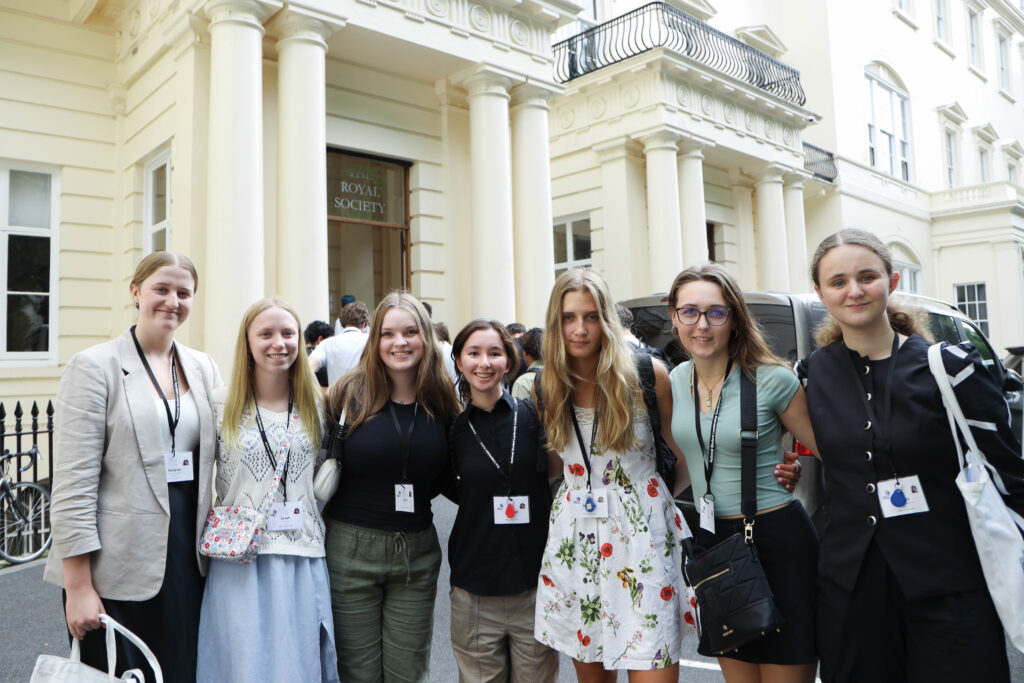
Step Into the Operating Theatre
Visit 1 — Surgical Skills Workshop
In this immersive surgical skills workshop, scholars step into the shoes of a surgeon. Guided by practising professionals, they learn core techniques such as suturing and surgical knotting. The session offers a powerful glimpse into the precision, focus, and teamwork that define a career in surgery — and helps students see whether life in the operating theatre excites them.
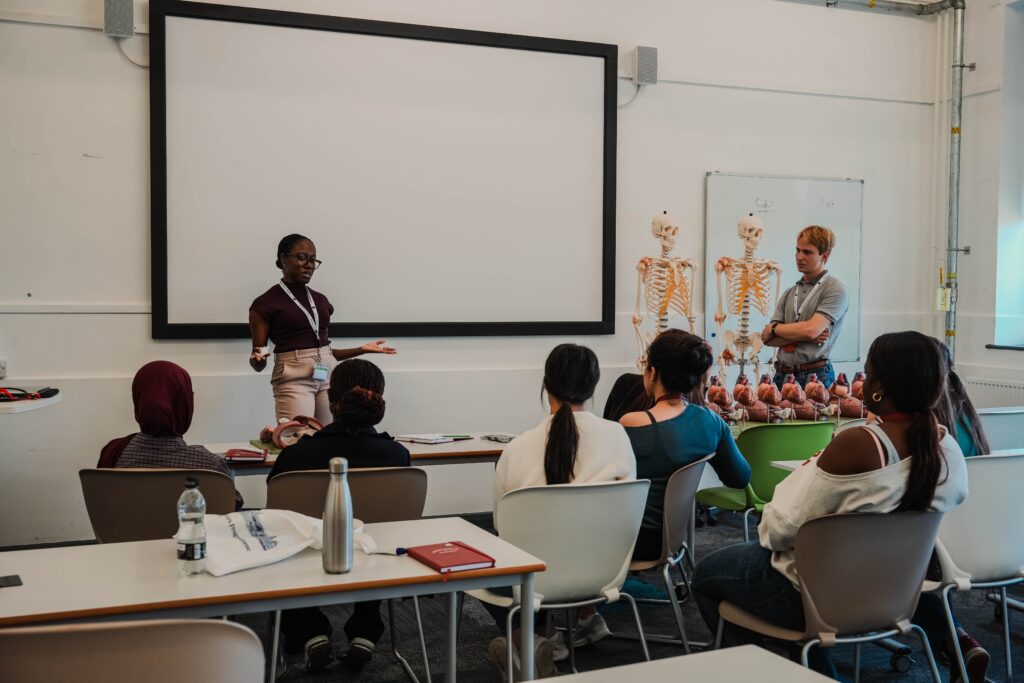
From Early Anatomy to Modern Surgery
Visit 2 — Hunterian Museum
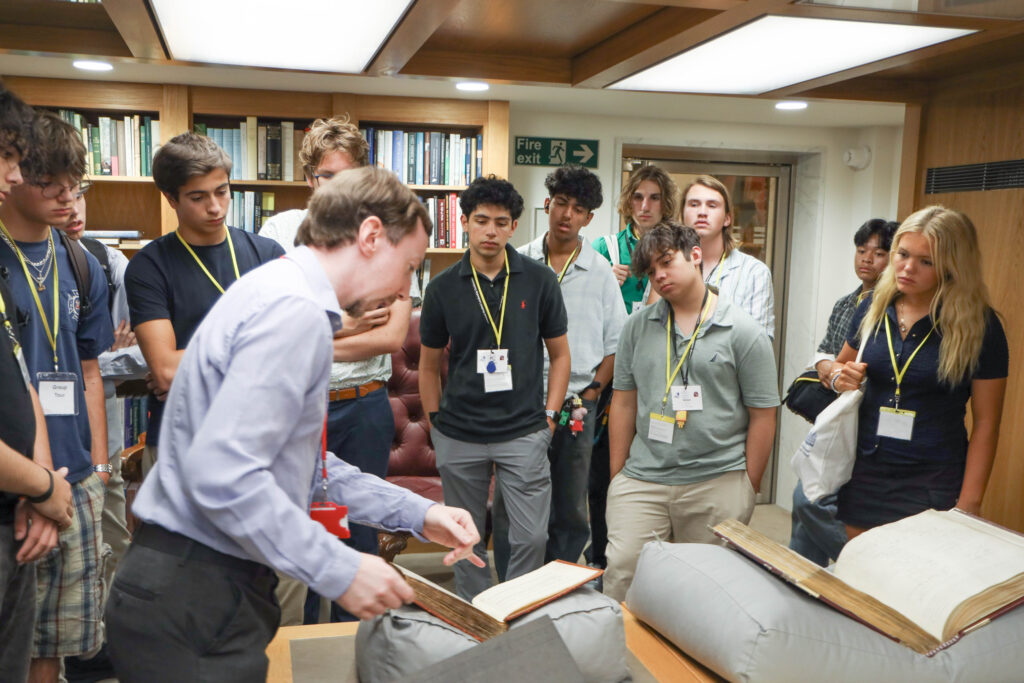
At the Hunterian Museum, scholars travel through centuries of medical discovery. Surrounded by anatomical specimens, surgical instruments, and medical artefacts, they see how ideas about the human body evolved into today’s techniques and treatments. This visit deepens their appreciation for the science, creativity, and persistence that continue to shape modern healthcare.
Inside a Realistic Clinical Scenario
Visit 3 — Clinical Simulation
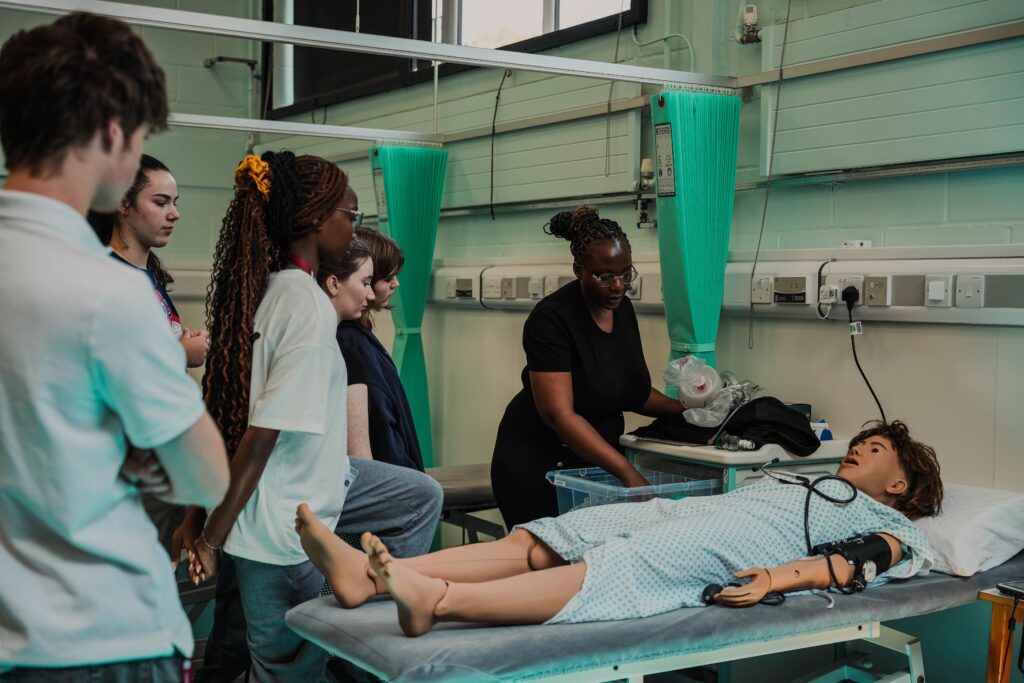
Through interactive clinical simulations, scholars experience the intensity of real-world medicine in a safe, supported environment. They take on the role of doctors, assess patients, interpret information, and make time-sensitive decisions. These scenarios build confidence, communication, and diagnostic thinking — skills at the heart of every medical career.
The Discovery That Changed Medicine
Visit 4 — Alexander Fleming Museum
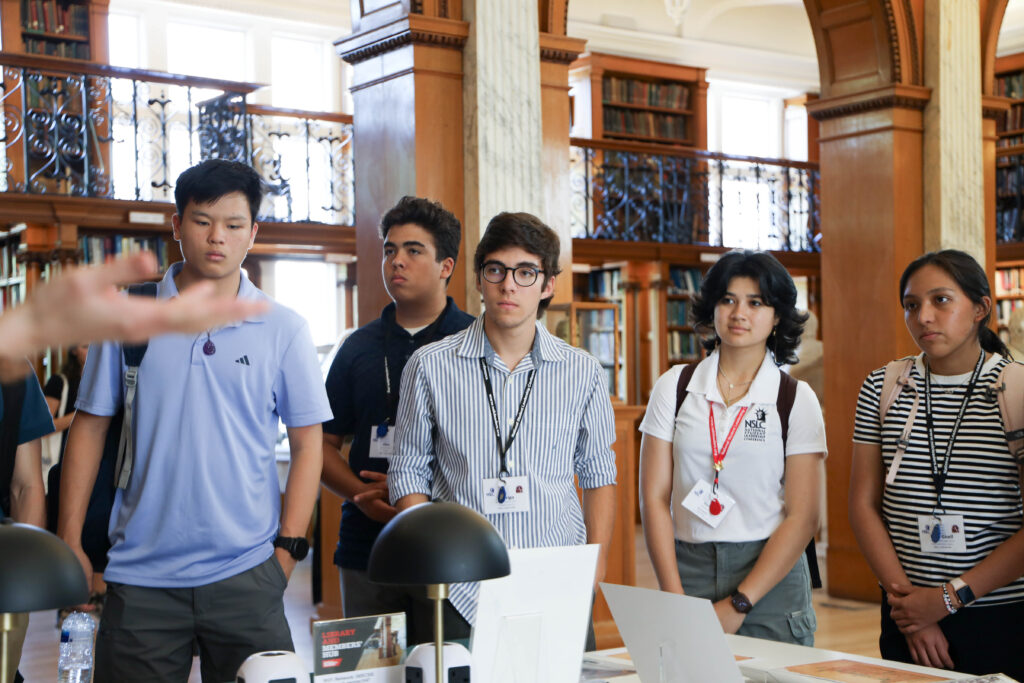
At the Alexander Fleming Museum, scholars step into a reconstructed version of the lab where penicillin was discovered. They learn how a moment of curiosity and careful observation sparked one of history’s greatest medical breakthroughs. This visit shows how research, resilience, and even “happy accidents” can save millions of lives — inspiring students to see themselves as future problem-solvers.
What You’ll Learn

How doctors, surgeons, and medical teams work together to care for patients

The basic principles behind surgical skills like suturing and knot-tying

How clinical simulations mirror real-life hospital scenarios

How historic discoveries — like penicillin — transformed modern medicine
How medical devices and engineering support diagnosis, surgery, and treatment

Core skills in observation, decision-making, communication, and teamwork
Where This Experience Can Lead
The Medicine & Life Sciences exploration introduces students to a wide range of healthcare and science careers — both inside and beyond the hospital.
01
Medical Doctor (GP or hospital doctor)
02
Surgeon
03
Biomedical Scientist / Researcher
04
Clinical Scientist (e.g., pathology, diagnostics)
05
Public Health Professional
06
Pharmacologist or Pharmaceutical Researcher
07
Biomedical or Medical Devices Engineer
08
Academic or Lecturer in Medicine & Life Sciences
Program Highlight
Future Pathways Exploration
Networking Opportunities
Career Mentorship