
In today’s world, getting good grades is no longer enough. Top universities and employers are looking for something more, the ability to lead, adapt, and inspire others. For high school students, learning leadership early can be the difference between simply fitting in and standing out.
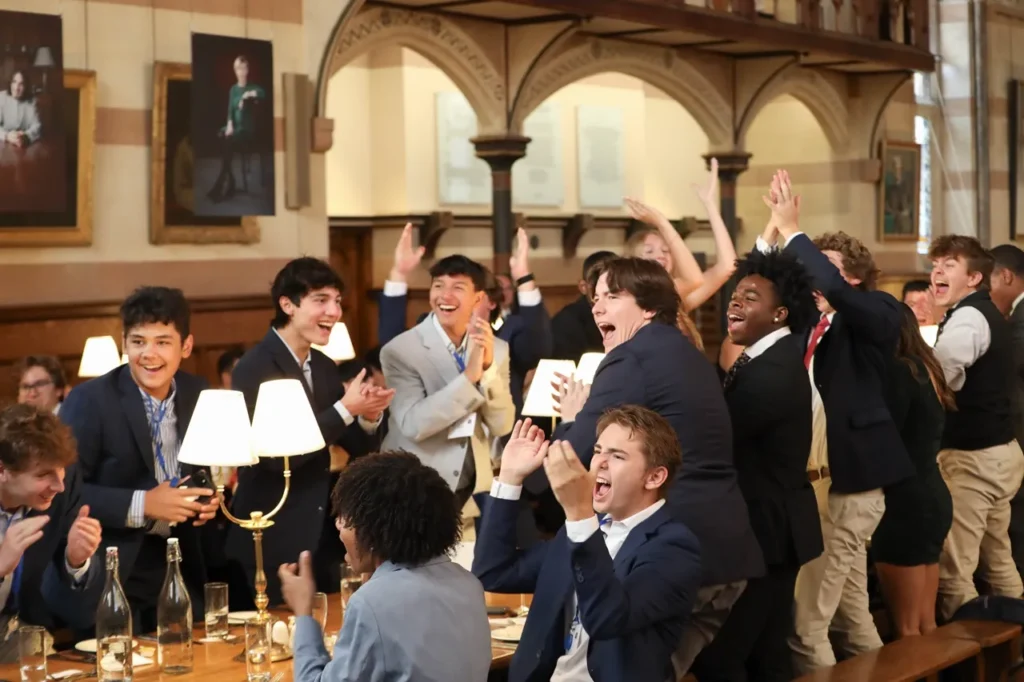
At the Oxford Scholars Programme (OSP), a two-week summer school hosted in Oxford, leadership isn’t just a buzzword. It’s a skill woven into every part of the experience. From rowing on the Thames to debating at the Oxford Union, students discover that leadership is less about titles, and more about courage, resilience, taking ownership and vision.
So, why does leadership matter more than ever? And how can high school students begin their own leadership journey?
Why Leadership Is the Skill of the Future
The world is changing fast. Careers of tomorrow may not even exist today, but one skill will always remain in demand – leadership.
For high school students, learning to lead means:
- Confidence in Uncertainty: Navigating unfamiliar situations with courage.
- Collaboration: Working with diverse peers across cultures and backgrounds.
- Problem-Solving: Tackling challenges with creativity and resilience.
- Communication: Inspiring and guiding others with clarity.
These qualities are exactly what top universities seek in applicants, and what future careers demand.
Lesson 1: Growth Begins Outside the Comfort Zone
One of the first lessons OSP scholars learn is that leadership starts at the edge of discomfort. In a workshop led by Brandon Love, students stepped into challenges they never imagined, from performing magic in front of peers to debating for the very first time.
This mindset shift prepares students not just for Oxford, but for life: embracing risks, stepping forward, and inspiring others to do the same.
Lesson 2: Resilience Is a Leader’s Greatest Strength
Every high schooler faces pressure, exams, self-doubt, or setbacks. At OSP, resilience coach Khushal Yousafzai reminded scholars that failure is not the end but a step toward growth. His message was clear:
- Leaders are not unshaken.
- Leaders fall, rise, and grow stronger each time.
This reframing of failure helps students transform stress into strength, an essential trait for leadership in today’s demanding world.
Lesson 3: Traits of Great Leaders Can Be Learned
Are leaders born or made? At OSP, students discover the answer through interactive workshops with Dr. Talha Pirzada and Khushal. They unpack timeless leadership traits such as:
- Integrity - standing firm in values
- Vision - seeing beyond the present
- Emotional Intelligence - understanding and guiding others
- Communication - sharing ideas with impact
Students debated and reflected on which traits they wanted to cultivate, proving that leadership isn’t exclusive to a chosen few. It’s a skill every student can develop.
Lesson 4: Failure Is a Step Toward Success
Olympian and Oxford rower Ollie Cook brought leadership to life through his own journey of competing on the world stage. Sharing how he faced, and grew from, setbacks, Ollie reminded students that failure is part of leadership, not the opposite of it.
Through rowing, he highlighted lessons that apply everywhere:
- Leadership means synchronising with your team.
- Strategy matters as much as skill.
- Setbacks shape resilience.
For students, it was a powerful lesson in courage and perspective.
Beyond Academics: A Leadership-Focused Summer at Oxford
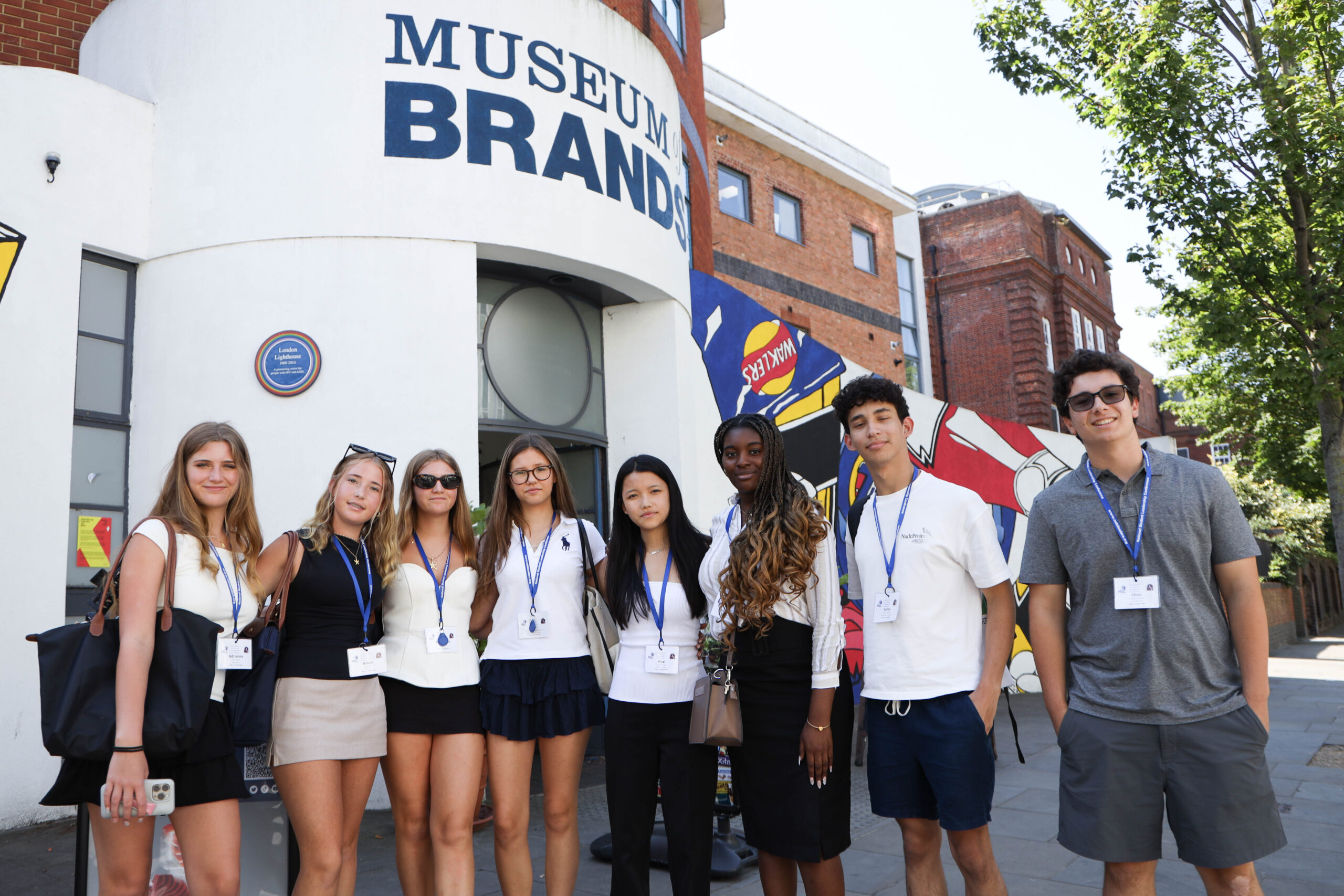
What makes the Oxford Scholars Programme unique is how leadership is built into every activity. Whether debating at the Oxford Union, exploring companies in London, or rowing under Oxford’s summer sun, students constantly practice leadership in real-world contexts.
They leave not only with academic growth but with:
- Confidence to speak up
- Resilience to bounce back
- Global friendships that last a lifetime
Why It Matters Now More Than Ever
Today’s students are tomorrow’s innovators, activists, and change-makers. As technology evolves, leadership for high school students will remain the one skill that sets them apart.
That’s why opportunities like the Oxford Scholars Programme matter: they prepare students not just for university applications, but for life.
Because in the end, leadership is not about titles. It’s about making a difference, in the classroom, in communities, and in the world.