


Many high-achieving students perform brilliantly in exams but suddenly struggle when faced with an interview. They know the material, have excellent grades, and work hard in school – yet when an interviewer asks a simple question like “Tell me about yourself”, they hesitate, lose confidence, or give short answers.
This happens more often than people think. Being academically strong does not automatically mean being comfortable speaking under pressure.
Understanding why smart students struggle in interviews can help them prepare better and build the communication skills universities and employers value.
The Difference Between Knowing and Expressing
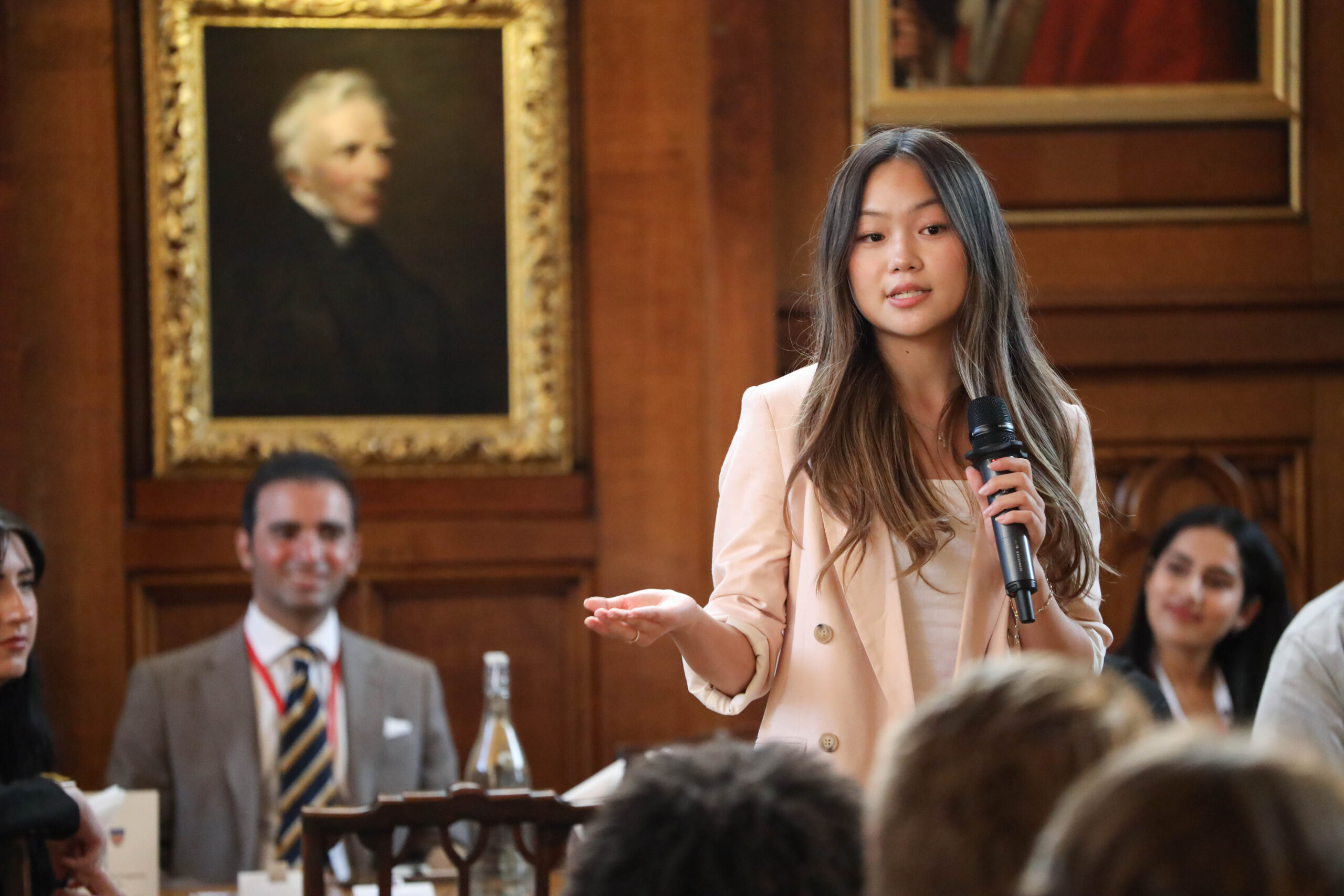
In school, students are rewarded for correct answers on written tests. Most of their learning focuses on solving problems, memorising concepts, and writing structured responses.
Interviews, however, are different.
They require students to think out loud, organise ideas quickly, and communicate clearly in real time. Even very knowledgeable students may struggle because they are not used to explaining their thoughts verbally.
In other words, they know the answer but haven’t practised saying it
Fear of Saying the “Wrong” Thing
High-achieving students often put a lot of pressure on themselves to be perfect. During interviews, this can lead to hesitation.
Instead of speaking naturally, students may overthink every sentence:
- Is this the best answer?
- What if I sound foolish?
- What if the interviewer disagrees?
This pressure can cause long pauses or overly short responses. Ironically, students who worry the most about giving the perfect answer often struggle the most to speak confidently.
Lack of Practice in Discussion and Debate
Another reason is that many students simply haven’t had enough opportunities to practise speaking in structured discussions.
Skills such as:
- presenting ideas clearly
- responding to unexpected questions
- defending an argument
- listening and replying thoughtfully
are developed through activities like debating, group discussions, and presentations.
Without this experience, interviews can feel unfamiliar and intimidating.
Interviews Test Thinking, Not Just Knowledge
Universities increasingly use interviews to see how students think, not just what they know.
Interviewers may ask questions such as:
- Why does this topic interest you?
- What would you do if this problem changed slightly?
- Can you explain your reasoning?
These questions are not about memorised answers. They test curiosity, reasoning, and communication. Students who are used only to written exams may find this challenging at first.
How Students Can Improve

Pursuit of Excellence
Practising speaking about ideas
Discuss books, news, or academic topics with friends or teachers.

Empowering Potential
Participating in debates or discussions
Debating helps students organise thoughts quickly and respond to different viewpoints.

Legacy of Impact
Explaining concepts out loud
Try teaching a topic to someone else — it builds clarity and confidence.

Holistic Growth
Doing mock interviews
Practising common questions helps reduce anxiety and improve fluency.

Strength in Collaboration
Over time, these habits make speaking feel more natural
Building Confidence Through Experience
At programmes like Oxford Scholars, students are encouraged to develop not only academic knowledge but also the confidence to express their ideas clearly.
Through activities such as debating, collaborative projects, and seminar-style discussions, students practise presenting arguments, responding to questions, and thinking aloud – the same skills that are valuable in university interviews and future careers.
Because in the real world, success often depends not only on what you know, but also on how well you can communicate it.