

What if the most important lessons a young person ever learns have nothing to do with a textbook? In a world that rewards adaptability, communication, and the ability to inspire others, traditional schooling often falls short of preparing students for what really matters.
That is where leadership development camps come in. These immersive, hands-on experiences are designed to shape young people into confident decision-makers, empathetic teammates, and resilient individuals skills that no classroom test can measure, but every future employer and life situation demands.
Whether your child is naturally outgoing or quietly determined, a well-structured leadership camp can unlock potential they never knew they had.

What Actually Happens at a Leadership Development Camp?
Many parents and students picture a leadership camp as a series of motivational speeches and team-building games. The reality is far more structured and far more transformative.
Modern leadership camps combine outdoor challenges, group problem-solving, mentorship sessions, and real-world scenario exercises that push participants to step outside their comfort zones in a safe, supportive environment.
- Outdoor Challenges: Hiking, team obstacle courses, rowing, and even introductory flying experiences that build resilience, teamwork, and decision-making under pressure.
- Public Speaking: Daily opportunities to present ideas, lead discussions, and build the confidence to speak in front of others.
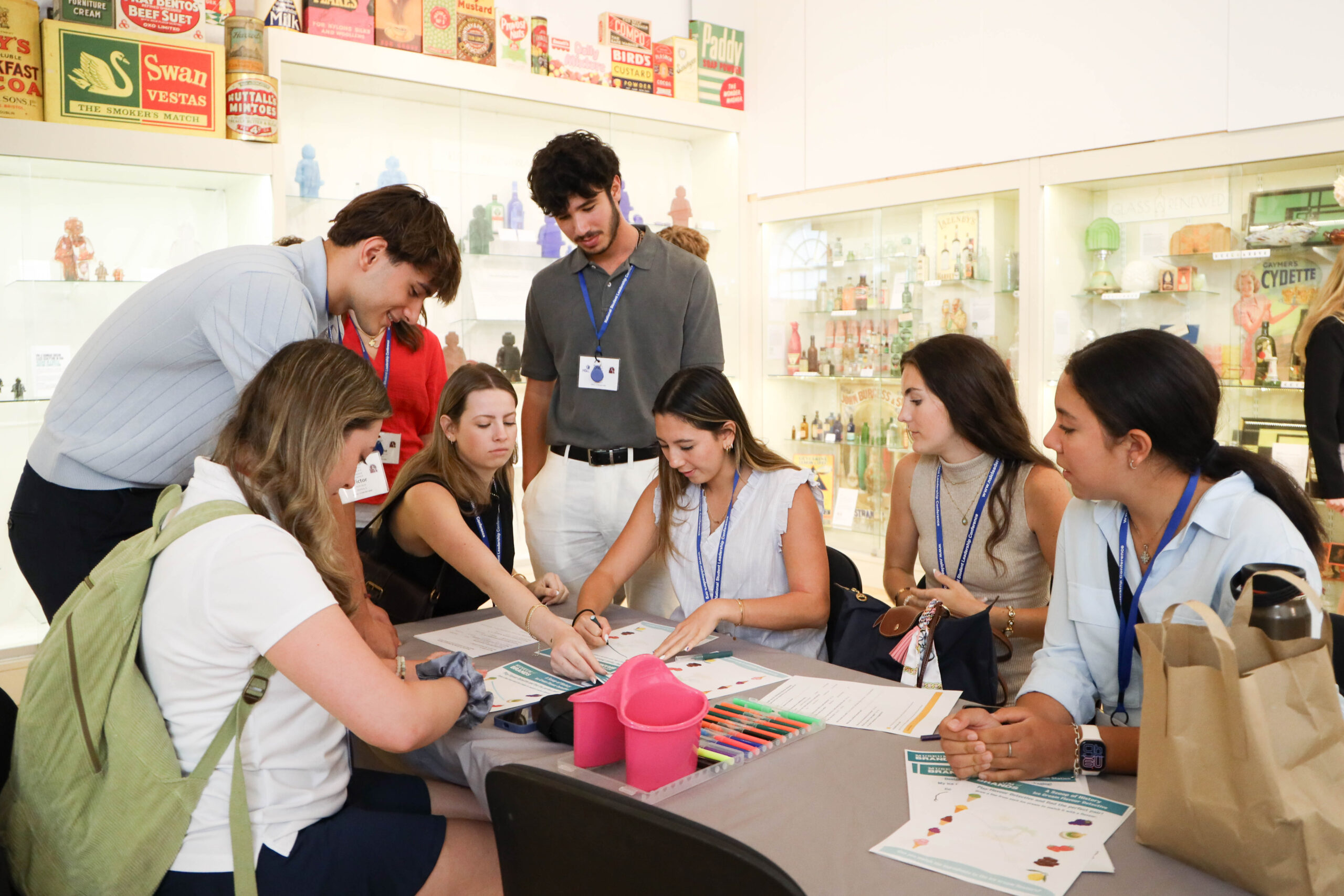
- Team Projects: Collaborative tasks that mirror real workplace dynamics, teaching negotiation, delegation, and empathy.
- Mentorship Access: One-on-one and group time with experienced mentors who share insights from real leadership journeys.
Unlike a classroom setting, everything at camp is experiential. Participants do not just hear about leadership they practise it every single day, often without realising it.
The Core Skills Young Leaders Build at Camp
The value of a leadership camp is not measured in certificates. It is measured in how a young person carries themselves the moment they return home. Here are the most impactful skills participants develop:
- Self-awareness: Understanding personal strengths and blind spots is the foundation of every great leader. Camp activities are designed to reflect this back to participants in honest, constructive ways.
- Emotional regulation: High-pressure group challenges teach participants how to stay calm, think clearly, and respond rather than react a skill that proves valuable in every area of life.
- Conflict resolution: Disagreements are inevitable. Camps provide a structured space to work through conflict productively, turning tension into trust.
- Adaptability: Plans change at camp weather, team dynamics, unexpected challenges. Navigating these builds a flexible mindset that thrives in uncertainty.
- Initiative and accountability: Participants are regularly placed in roles where they must own outcomes, make decisions, and learn from the results without blame-shifting.
A young person who arrives at camp unsure of themselves often leaves with a clear sense of who they are and how to communicate it. That kind of growth is hard to teach in a classroom but it happens naturally when the right environment and the right challenges come together.
Why Early Exposure to Leadership Matters More Than You Think
Research in youth development consistently shows that the habits formed during adolescence shape adult behaviour in profound ways. When young people are exposed to leadership experiences early between the ages of 13 and 18 the neural pathways for strategic thinking, empathy, and long-term goal setting become significantly stronger.
This is not about fast-tracking children into adult responsibilities. It is about giving them a safe, intentional environment to make decisions, experience consequences, and grow from both success and failure before the real stakes of adult life arrive.
Consider the difference between two young adults starting their first job:
- One has only ever been told what to do and how to do it.
- The other has led a team through a challenge, navigated a disagreement, presented an idea under pressure, and received honest mentorship on how to improve.
The difference in confidence, communication, and resilience is not subtle. It is visible from the first week.
Leadership development camps are not extracurricular luxuries. For parents who want their children to be genuinely prepared, not just academically qualified they are one of the most practical investments available.

Conclusion
Leadership is not a personality type it is a set of learnable, practicable skills. The right camp environment gives young people the tools, the challenges, and the mentorship to discover what they are truly capable of.
The lessons learned around a campfire often last a lifetime. If you want your child to walk into their future with confidence, clarity, and the ability to lead others, a leadership development camp is one of the best places to start.