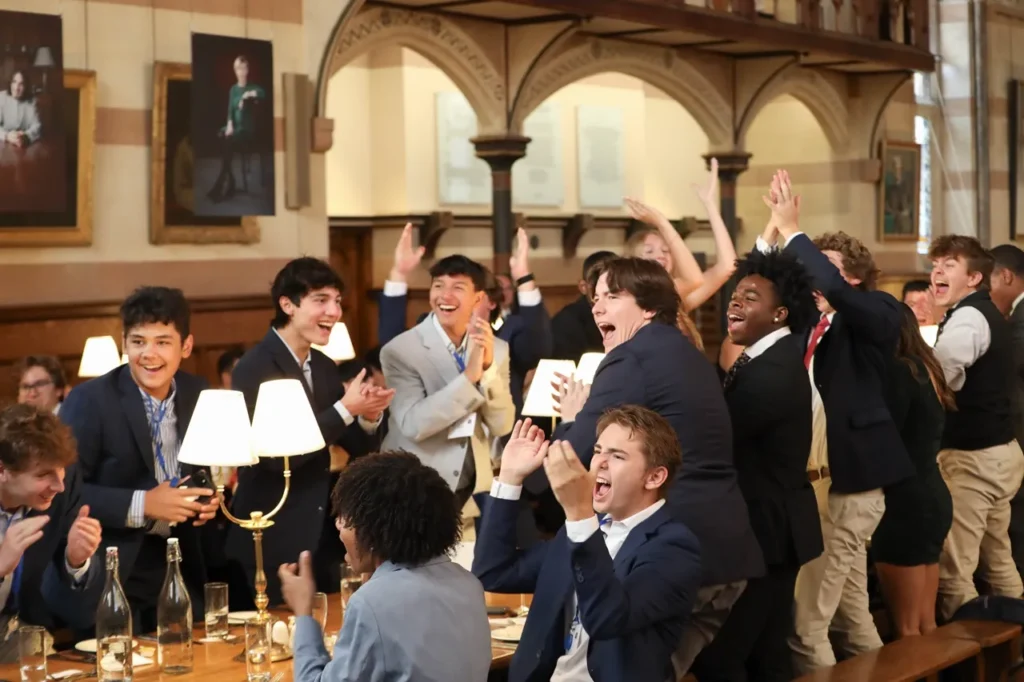


University readiness has always been about more than good grades and standardized test scores. But as we step into 2026, the concept is evolving at a pace that reflects the rapidly changing academic, professional, and social landscapes. Today, preparing for university isn’t just about excelling in the classroom – it’s about developing a holistic set of skills, mindset, and adaptability that will allow students to thrive in a world that values creativity, critical thinking, and emotional intelligence as much as academic excellence.
1. Academic Skills Are Only the Beginning
Strong foundational knowledge in core subjects like math, science, and literature remains critical. However, universities now expect students to go beyond rote learning. Skills like analytical reasoning, interdisciplinary thinking, and research literacy are essential. In 2026, students who can connect concepts across subjects and critically evaluate information will have a clear advantage.
2. Digital Fluency Is Non-Negotiable
The digital transformation of education accelerated during the last decade, and universities increasingly integrate AI, virtual collaboration tools, and data-driven learning platforms. Being ready for university in 2026 means being digitally literate – not just knowing how to use software, but understanding digital ethics, online research credibility, and even basic data literacy.
3. Emotional and Social Intelligence Matter More Than Ever
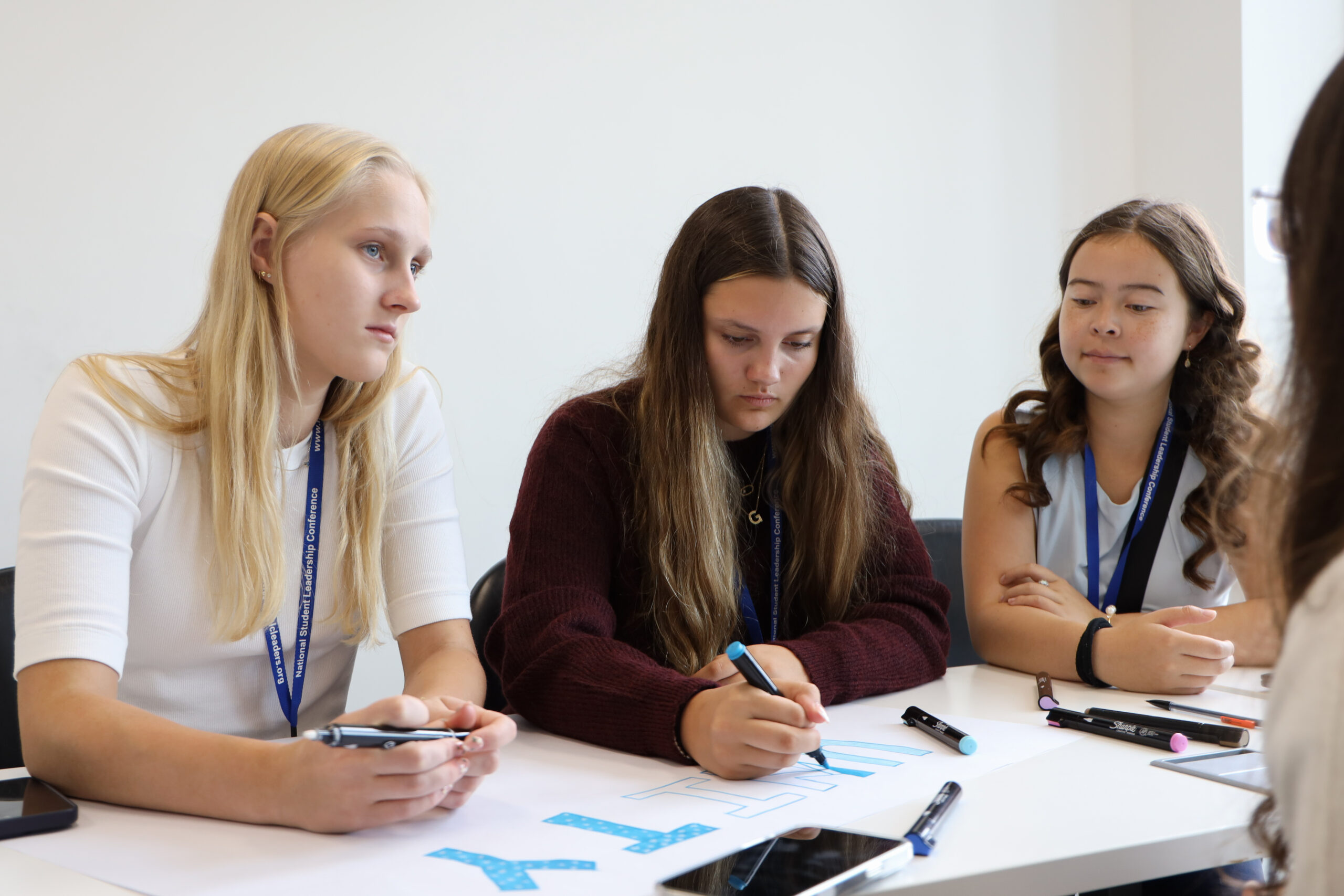
Academic success is no longer the sole predictor of university performance. Universities seek students who can collaborate, communicate effectively, and demonstrate resilience. Emotional intelligence – understanding one’s emotions, managing stress, and navigating interpersonal relationships – is now a core component of readiness. Peer collaboration, leadership experience, and even participation in debates or discussion forums cultivate these abilities.
4. Career and Purpose-Oriented Mindset
The modern student enters university with an awareness of their interests, strengths, and potential career pathways. Readiness involves a proactive mindset: seeking mentorship, exploring internships, and engaging in projects that align with personal goals. Students who have clarity about their purpose, while remaining open to exploration, can navigate the university experience more effectively.
5. Global Perspective and Cultural Awareness
Universities are increasingly global communities. Exposure to diverse perspectives, travel, international programs, or engagement with global issues equips students to thrive in multicultural environments. In 2026, being university-ready also means being globally conscious – comfortable working across cultures and understanding global challenges like climate change, technology ethics, and social equity.
6. Self-Management and Adaptability
Perhaps the most critical skill of all is adaptability. University life demands self-directed learning, time management, and the ability to pivot in the face of challenges. Students who develop habits of reflection, goal-setting, and continuous improvement are better prepared to handle both the academic and social complexities of university life.