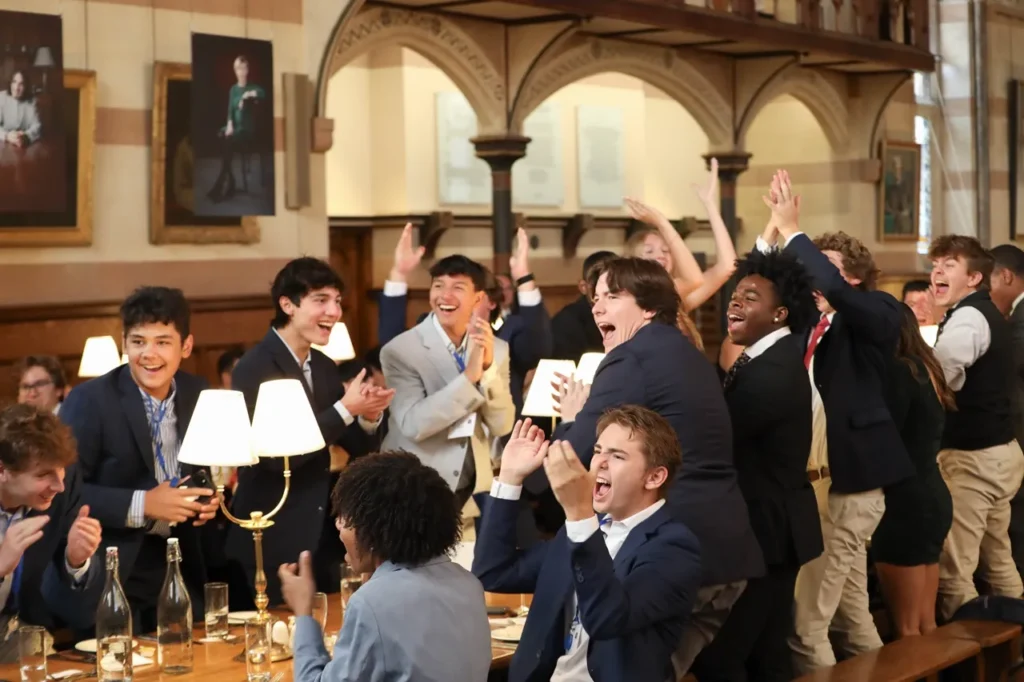


Oxford interviews are conversations about your chosen subject, structured like a short tutorial, with someone who knows a lot about it. They test mental agility, independent thinking, and the ability to engage with new ideas beyond the school syllabus.
What Oxford Interviews Actually Are
Each interview varies in length depending on the subject. Oxford’s Maths interviews last about 25 minutes, while other subjects can run longer. Expect 20–40 minutes per interview. Most candidates have two or more, sometimes at different colleges. Where the conversation goes depends entirely on how you respond.
The tutors across the table are not examiners. They are the same people who teach in groups of two or three students during term. The interview is an audition for that environment. They want to know: if we teach you like this for three years, will you push back, ask good questions, and think on your feet?
What Tutors Look For
This is where most applicants get it wrong. They prepare for a performance. Tutors are looking for a conversation. They want to see how you respond to new ideas — not how quickly you land on the right answer.
- 1 Thinking process over memorised answers
- 2 Intellectual curiosity over polished performance
- 3 Willingness to engage with unfamiliar material
- 4 Honesty — including admitting when you do not know something
Real Questions Oxford Has Asked
These are published sample questions from Oxford admissions tutors. Each tests a different kind of thinking.
“Do bankers deserve the pay they receive? And should government do something to limit how much they get?”
The word to pay attention to is deserve. A strong response separates the question into competing frameworks. Market logic says yes: scarce skills command high prices. A good candidate would ask why seemingly equivalently talented people can get paid so much more in banking than in other occupations. Define “deserve,” test the definition against real examples, and flag where the frameworks collide. Tutors want you to interrogate the question before you answer it.
“Would it matter if tigers became extinct?”
Do not stop at sentiment. Most applicants would instinctively answer “yes” — but it is the “because…” that interests the tutor. Start with ecology: tigers are apex predators, and removing them disrupts food chains by spiking herbivore populations. Move to genetics: extinction erases irreplaceable evolutionary lineages. Then challenge your own reasoning — around 99% of all species that ever lived are extinct. What makes this case different? Layered thinking, not a conservation slogan.
“Imagine that 100 people all put £1 into a pot for a prize. Each person picks a number between 0 and 100. The prize goes to whoever picks closest to two-thirds of the average of all numbers chosen. What number will you choose, and why?”
The recursive nature of the solution becomes clear once you start reasoning. If there is good reason for you to choose 33, then everyone else will likely choose 33 too — so you should choose two-thirds of 33, which is around 22. But then everyone will think this too, and so on. Assuming everyone reasons this way, everyone will eventually settle on 0. The question rewards candidates who think about what other people will do, not only what the maths says in isolation.
How to Prepare
Oxford publishes preparation guidance on its admissions website. The advice is consistent across subjects.
-
✓ Start with the obvious observation, then build from there.
Begin with the most obvious observation and build the discussion from there, rather than assuming there is a hidden meaning or a complicated answer you need to jump to.
-
✓ Think out loud.
Tutors want to hear your reasoning, not a polished conclusion. Silence feels productive to you but invisible to the person across the table. Walk them through every step, including the wrong turns.
-
✓ Read beyond your syllabus.
Follow your subject into newspapers, documentaries, podcasts, and wider reading. Oxford rewards curiosity about how your field operates in the real world. Textbook recall alone is not enough.
How OSP Prepares You
The Oxford Scholars Programme is built around the same habits Oxford tests for. Not interview tactics — the actual thinking skills the interviews are designed to find.

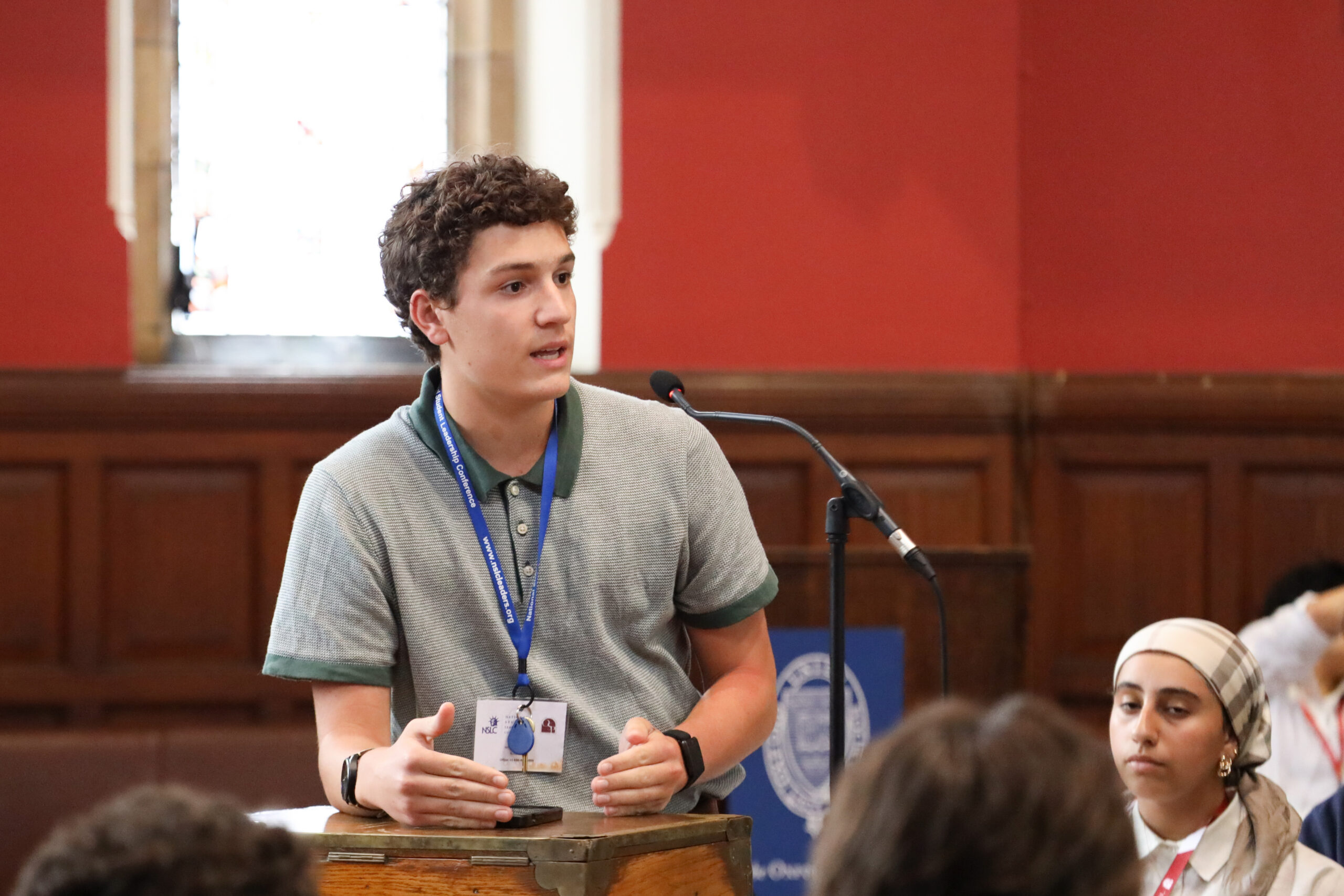


OSP does not teach students what to say in an Oxford interview. It trains them to think the way Oxford expects.
Start Before the Process Does
Oxford publishes subject-specific reading guidance on its admissions website. The tutors use it. It is free. Working through a handful of titles months before your interview builds the kind of thinking that last-minute preparation cannot replicate.
Think like Oxford expects you to think.
Two weeks in Oxford. Tutorial seminars, Union debates, project-based learning across eight subjects. Limited to 100 scholars.