

Debating Coach
Job Title: Debating Coach
- Location: Oxford
- Programme Dates: 5 July – 16 July, 20 July – 31 July, 4 August – 15 August
- Number of Positions: 1
- Compensation: £25-30 per hour (depending on experience)
- Contract Type: Short-term
- Total Hours: 30 hours across the summer (9 hours for Programme 1 + 12 hours for Programme 2 + 9 hours for Programme 3)
We are seeking an energetic and committed coach who is genuinely passionate about Debating. The selected candidate will lead the training and development of a highly motivated and dynamic group of young students. The OSP’s debating programme follows the British Parliamentary format.
About OSP
OSP is a prestigious summer school designed for high-achieving students aged 14–18 years from around the world. Our mission is to provide an intellectually stimulating academic experience that fosters personal growth, critical thinking, and lifelong skills.
OSP is proud to collaborate with the National Student Leadership Conference (NSLC) in delivering a world-class summer programme for high school students in 2026.
Debating Overview:
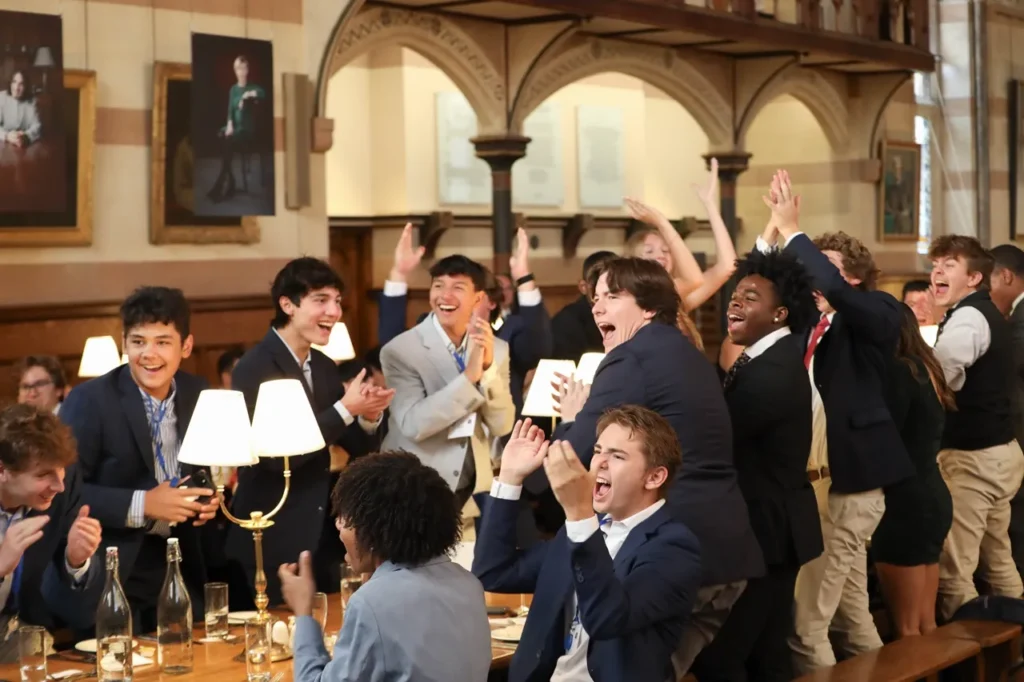
Through OSP, students gain the exceptional opportunity to engage in debating sessions. Under the guidance of experienced mentors and guest speakers, participants develop confidence, clarity of thought, and persuasive communication skills. These sessions encourage intellectual curiosity and respectful discourse, allowing students to exchange ideas in the very chambers where global leaders, thinkers, and changemakers have spoken.
Main duties:
Deliver Structured Debating Training Across All Three Programmes:
Deliver effective debating instruction per programme, following a three-session structure that includes foundational training, applied practice, and final competitive debates.
Lead Session 1: Introduction to Debating Fundamentals:
Introduce students to the purpose and ground rules of debating, highlighting respect, sensitivity, and intellectual curiosity.
Guide students through:
- Watching and analysing a model debate speech
- Learning debate structure (teams, roles, speakers)
- Understanding debate substance (types of debates, forming arguments)
- Participating in group exercises where teams identify debate types and construct initial arguments
- Facilitate reflective discussion and group feedback.
Lead Session 2: Applied Skills, Teamwork & Rapid Preparation:
Teach students collaborative preparation strategies, including actor analysis, anticipating rebuttals, and structuring team arguments.
Run multiple rounds of timed preparation sessions where:
- Students receive a motion
- Teams allocate roles and prepare in 15 minutes
- Different team members deliver one-minute speeches
- Other teams provide feedback
- Each round focuses on a different skill (e.g., crafting an effective introduction).
- Close with group reflection and briefing for the finals.
Judge and Facilitate Session 3: Final Debates:
- Lead three final debates, applying consistent rules and providing fair, constructive adjudication.
- Offer holistic feedback to teams and individual speakers.
Teach Core Debating Skills:
Support students in developing argument formulation, critical thinking, lateral analysis, strategic planning, and confident public speaking
Maintain a Supportive and Ethical Learning Environment:
Ensure debating remains respectful and intellectually safe.
Reinforce the importance of kindness, sensitivity, and constructive engagement—especially when addressing controversial topics or positions students may not personally support.
Prepare Students in Advance:
Request and review student lists to pre-assign balanced groups for all debating sessions.
Maintain consistent groupings to support teamwork, familiarity, and progressive skill-building.
Prepare and Use Teaching Materials Effectively:
Create and share slides ahead of sessions to promote active listening, fostering a more conversational and interactive environment.
Provide Meaningful Feedback and Closing Guidance:
Offer actionable feedback at every stage—from exercises to prep rounds to final debates.
With OSP’s approval, share follow-up resources to help students continue exploring debating after the programme.
Safeguard Student Wellbeing:
Uphold OSP’s safeguarding standards, monitor student welfare throughout sessions, and escalate any concerns promptly.
Coaching Schedule:
Programme 1 – 9 hours total
- Debate Training Sessions: 6 hours total
- Debating Competition: 3 hours
Programme 2 – 12 hours total
- Debate Training Sessions: 8 hours total
- Debating Competition: 4 hours
Programme 3 – 9 hours total
- Training Sessions: 6 hours total
- Debating Competition: 3 hours
The Ideal Candidate:
- Strong and comprehensive understanding of debating principles and practice
- A genuine passion for helping students grow and improve
- Strong organisational abilities and attention to detail
- Confidence when delivering sessions to large groups
- Flexibility, patience, and a supportive approach to coaching
- The capability to design high-quality presentations and learning materials
- Comfort working with young students across a range of ages
- Confidence collaborating with OSP staff
- Prior experience in debates coaching (preferred)
- An interest in pursuing a pathway in teaching or the wider education sector (preferred)
Application Process
Interested candidates should complete the online application form:
- Please complete the online application form which will require you to attach your CV
- Short-listed applicants will then be invited to an online interview
- Successful candidates will undergo an enhanced DBS check and must provide their right-to-work documents for our records
- Any personal data you submit as part of your application will be kept securely in compliance with GDPR regulations
Application Deadline: 20th April 2026
(Interviews will be conducted on a rolling basis, and the position may be filled as soon as a suitable candidate is found.)
OSP is committed to safeguarding and protecting children. All staff members undergo enhanced DBS checks. Only candidates who are successful in their application will be contacted. This advertisement is inclusive and does not discriminate based on gender, marital status, race, religion, colour, age, disability, or sexual orientation. Applicants are evaluated solely on their skills, qualifications, and suitability for the role. Requests for reasonable adjustments—such as accessible documents or interview accommodations—are welcomed and should be shared with the recruitment team.