


For generations, education systems around the world have focused heavily on academic achievement. Students are trained to master mathematics, science, literature, and history—often measured through exams, grades, and rankings. While these skills are undeniably important, one critical area of human development is often overlooked: emotional intelligence.
In today’s rapidly evolving world, the ability to understand emotions—both our own and those of others—can be just as important as academic knowledge. Increasingly, educators and employers alike are recognizing that emotional intelligence is the missing piece in traditional education.
What Is Emotional Intelligence?
The concept of emotional intelligence was popularized by psychologist Daniel Goleman. Emotional intelligence refers to the ability to:
- Recognize and understand your own emotions
- Manage emotions effectively
- Show empathy toward others
- Build healthy relationships
- Make thoughtful and responsible decisions
Students with strong emotional intelligence are often better communicators, more resilient in the face of challenges, and more capable of collaborating with others.
Why Traditional Education Often Overlooks It
Most traditional education systems were designed during the Industrial Revolution, when the goal was to produce workers who could follow instructions and perform standardized tasks. As a result, education became heavily focused on measurable academic skills.
Subjects like emotional awareness, communication, leadership, and empathy rarely appear on exam papers. Yet these abilities are fundamental to real-world success.
Students may graduate with excellent grades but struggle with:
- Handling stress or pressure
- Working effectively in teams
- Communicating ideas clearly
- Managing failure or criticism
Without emotional intelligence, even the most academically talented students can find themselves unprepared for real-life challenges.
Why Emotional Intelligence Matters More Than Ever
In the modern world, automation and artificial intelligence are changing the job market. Technical knowledge alone is no longer enough. Employers increasingly value soft skills that machines cannot replicate.
Emotional intelligence plays a major role in:
Leadership
Great leaders inspire and motivate others by understanding people’s emotions and perspectives.
Collaboration
Team-based environments require empathy, communication, and conflict resolution.
Resilience
Students and professionals must learn to handle setbacks, adapt to change, and keep moving forward.
Communication
Whether presenting ideas, negotiating solutions, or participating in debates, emotional awareness improves how we interact with others.
These abilities are essential not only for careers but also for building healthy relationships and a balanced life.
How Education Can Better Develop Emotional Intelligence
Fortunately, education is beginning to evolve. Schools and enrichment programmes are increasingly incorporating experiences that develop emotional intelligence alongside academic learning.
Some effective approaches include:
Discussion-Based Learning
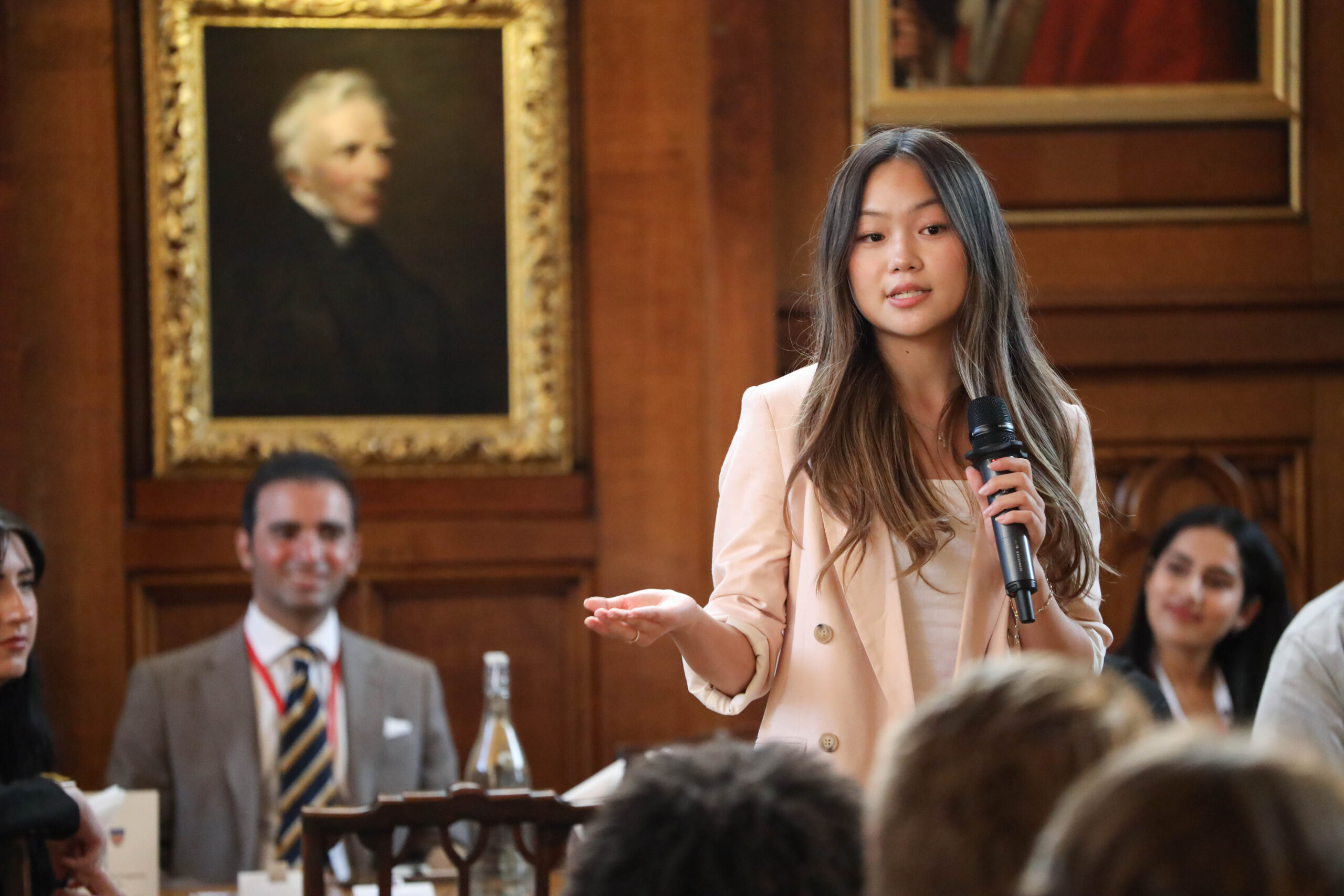
Debates and discussions encourage students to listen to different perspectives, articulate their thoughts, and engage respectfully with others.
Collaborative Projects
Group work helps students practice teamwork, leadership, and problem-solving.
Public Speaking and Presentation
These experiences build confidence and emotional awareness when communicating ideas.
Cultural Exchange
Interacting with students from different backgrounds strengthens empathy and global awareness.
When students participate in environments that encourage reflection, dialogue, and collaboration, emotional intelligence naturally develops.

The Balance Between IQ and EQ
Academic intelligence (IQ) and emotional intelligence (EQ) are not competing qualities – they complement each other.
A student who combines strong academic ability with emotional intelligence is far more prepared to:
- Lead effectively
- Communicate ideas clearly
- Build strong relationships
- Navigate complex social environments
- Adapt to change and uncertainty
Education should not simply prepare students to pass exams; it should prepare them to thrive in the real world.
The Future of Education
As educators rethink how to prepare students for the future, emotional intelligence is becoming an essential part of the conversation. Programmes that combine academic exploration with communication, leadership, and cultural engagement are helping students develop the full set of skills needed for success.
The most effective education systems of the future will not only teach students what to think, but also how to understand themselves and others.
And in a world where collaboration, empathy, and adaptability matter more than ever, emotional intelligence may prove to be one of the most valuable skills a student can develop.