


Networking for students doesn’t have to wait until university. The connections you build at 16 or 17 with people who challenge your thinking, introduce you to new perspectives, and share experiences that go beyond the classroom can shape your university applications, your career, and your worldview for years to come.
Most people treat networking like something you do after graduation, once you have a job title and a LinkedIn profile. But the students who get ahead start building meaningful global connections years earlier. And you don’t need a business card to do it.
Why Student Networking Matters Earlier Than You Think
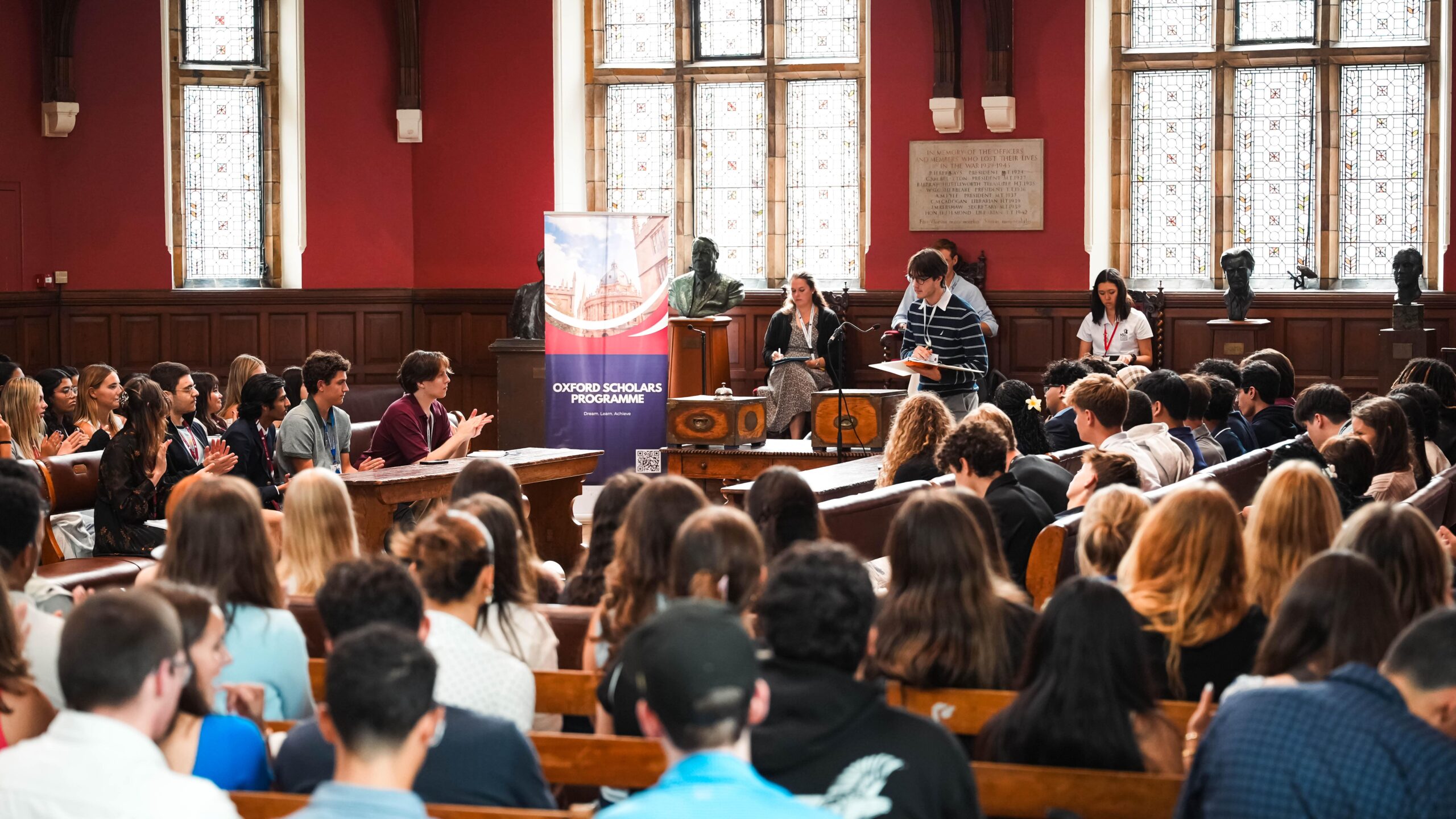
Universities and employers don’t just look at grades. They look at who you are, how you think, and the experiences that shaped you. The people you meet during your teenage years the ones who challenge your ideas and broaden your outlook become part of that story.
Mechanical, aerospace, civil, software, biomedical, robotics these are just a few of the many types of engineering careers, and each one looks completely different in practice. The challenge is that you’ll rarely encounter any of this in a school curriculum. So if you’re going to make an informed decision about your degree, you need to go looking for it yourself.
A strong peer network at a young age isn’t about collecting contacts. It’s about building relationships with people who genuinely inspire you. And that starts with putting yourself in rooms where those people exist.
What a Global Student Network Actually Looks Like
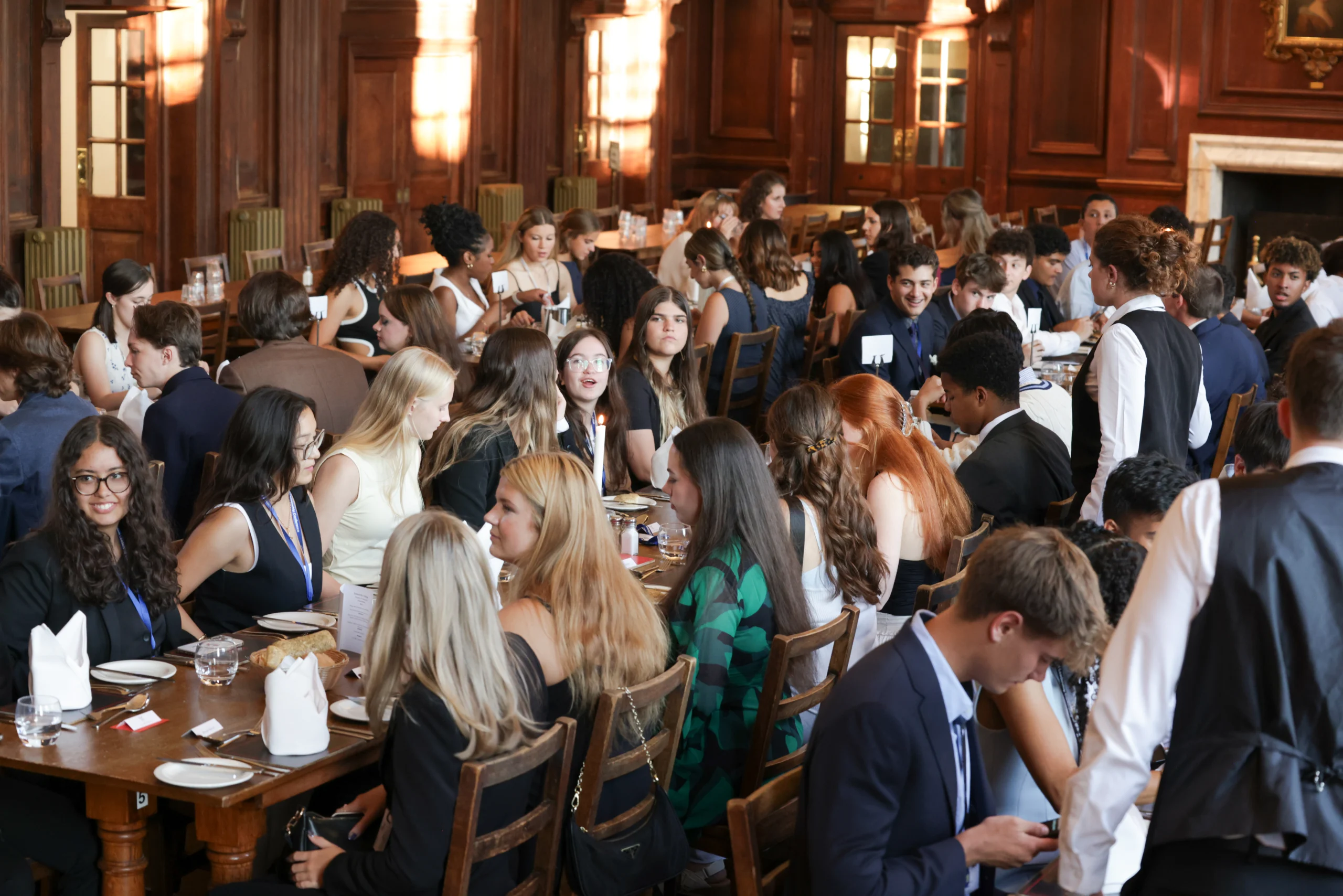
Here’s what most students don’t realise: some of the best networking opportunities aren’t in offices or LinkedIn DMs. They’re in shared experiences.
When you spend two weeks living and learning alongside students from 30+ countries, something shifts. You might find yourself debating climate policy with someone from coastal Nigeria, building an engineering project with a peer from South Korea, or sharing a meal during Cultural Night with people who flew in from six different continents.
You stop seeing the world through one lens. You start asking better questions. And the people across the table stop being strangers and start becoming your global network.
These aren’t abstract connections. They’re real relationships the kind that lead to university recommendations, career introductions, and friendships that outlast the programme by years. Research from the NIH confirms that peer relationships formed during adolescence shape decision-making, academic motivation, and long-term social behaviour.